
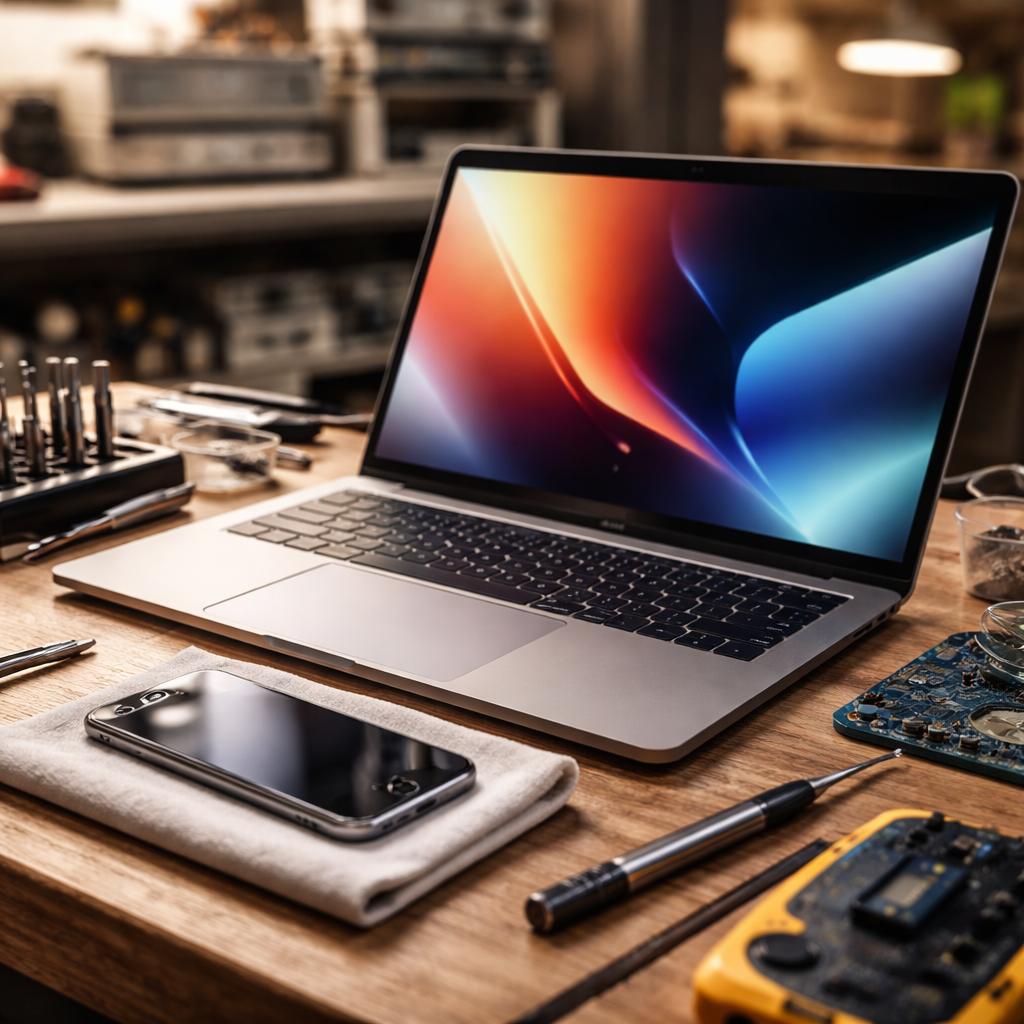
Most people hesitate before clicking “buy” on a refurbished laptop or smartphone — and that hesitation is completely understandable. But here’s what the data actually shows: is it safe to buy refurbished electronics? In most cases, yes — and often the risk is lower than people assume, especially when you know what to look for before purchasing.
What “refurbished” actually means — and what it doesn’t
The word “refurbished” gets used loosely, and that’s where a lot of confusion starts. A refurbished device is not simply a used item that someone sold back to a store. In most legitimate cases, it’s a product that has been returned, inspected, repaired if needed, cleaned, and tested to meet specific functional standards before being resold.
There’s a meaningful difference between manufacturer-refurbished and seller-refurbished products. Manufacturer-refurbished items go through the brand’s own quality control process — think Apple Certified Refurbished, Samsung Certified Pre-Owned, or similar programs. Seller-refurbished products are handled by third-party retailers or resellers, and the quality of the process varies significantly depending on who’s doing the work.
| Type | Who handles it | Typical warranty | Reliability |
|---|---|---|---|
| Manufacturer refurbished | Original brand | 90 days to 1 year | High |
| Retailer refurbished | Authorized reseller | 30–90 days | Medium to high |
| Third-party refurbished | Independent seller | Varies or none | Variable |
Understanding this distinction is the single most important step before making any purchase in this category.
Where the real risks come from
The risks associated with refurbished electronics are real — but they’re specific and avoidable. They rarely come from the devices themselves. They come from unreliable sellers, unclear grading systems, and missing documentation.
Most reputable refurbishment programs use condition grades to describe the state of a device. These grades typically look something like this:
- Grade A / Like New — minimal to no visible wear, fully functional
- Grade B — light cosmetic marks, fully functional
- Grade C — noticeable cosmetic damage, all features work
- Grade D — significant wear, functional but visibly used
The problem is that grading isn’t standardized across the industry. One seller’s “Grade A” can look very different from another’s. This is why reading buyer reviews, checking return policies, and buying from platforms with transparent grading systems matters so much.
A refurbished iPhone from Apple’s own certified program comes with a new battery, new outer shell, and a one-year warranty — the same warranty that applies to a brand-new device.
That’s not a minor detail. It means the product you receive has been genuinely brought back to a near-new condition, not just wiped and reboxed.
Battery life and hidden wear: the honest picture
One of the most common concerns about refurbished phones and laptops is battery health. Lithium-ion batteries degrade with each charge cycle, and a device that’s been used heavily for a year might have a battery at 80% of its original capacity — or less.
Reputable sellers address this directly. Many certified refurbishment programs replace the battery as part of the process. If you’re buying from a third-party seller, it’s worth asking specifically about battery health before purchasing. On iPhones, for example, you can check battery capacity under Settings — Battery — Battery Health. On many Android devices, similar information is accessible through diagnostic menus or apps.
Where to buy safely — platforms and red flags
Buying from the right source removes most of the risk. Platforms like Amazon Renewed, Back Market, Swappa, and manufacturer-direct certified programs have built their reputation around consistent quality and clear return policies. These aren’t perfect systems, but they have accountability built in.
On the other end of the spectrum, buying from random sellers on general marketplace sites — especially with no ratings, no returns policy, and prices that seem dramatically below market — is where people run into problems. The electronics may work initially but fail quickly, or arrive in worse condition than described.
A few things worth checking before any refurbished electronics purchase:
- Is there a clear return window — ideally at least 30 days?
- Does the listing include photos of the actual device, not stock images?
- Is the seller’s feedback rating high and based on a meaningful number of transactions?
- Is the device unlocked or tied to a specific carrier (for phones)?
- Does it come with original or compatible accessories, and does that matter for your use?
The environmental and financial case for going refurbished
Beyond personal savings — which can range from 20% to 50% off the new retail price depending on the product and source — there’s a broader reason more people are choosing refurbished devices. Electronics manufacturing has a significant environmental footprint, and extending the useful life of a device reduces demand for new production and keeps hardware out of landfill longer.
This isn’t a marketing claim — it’s documented in lifecycle assessments of consumer electronics. Buying a refurbished smartphone instead of a new one can significantly reduce the carbon footprint associated with that purchase, since the bulk of a device’s environmental impact occurs during manufacturing, not during use.
The decision comes down to one thing
Buying refurbished electronics isn’t inherently risky — buying without doing your homework is. The difference between a great experience and a frustrating one almost always comes down to who you’re buying from and what guarantees come with the purchase. Certified programs from reputable brands and well-reviewed platforms offer a level of protection that makes refurbished devices a genuinely smart choice for a wide range of buyers.
If you’d buy a pre-owned car from a certified dealer with a warranty and inspection record, the same logic applies here. The technology is different, but the principle is identical: documentation, accountability, and a clear return path make all the difference.