
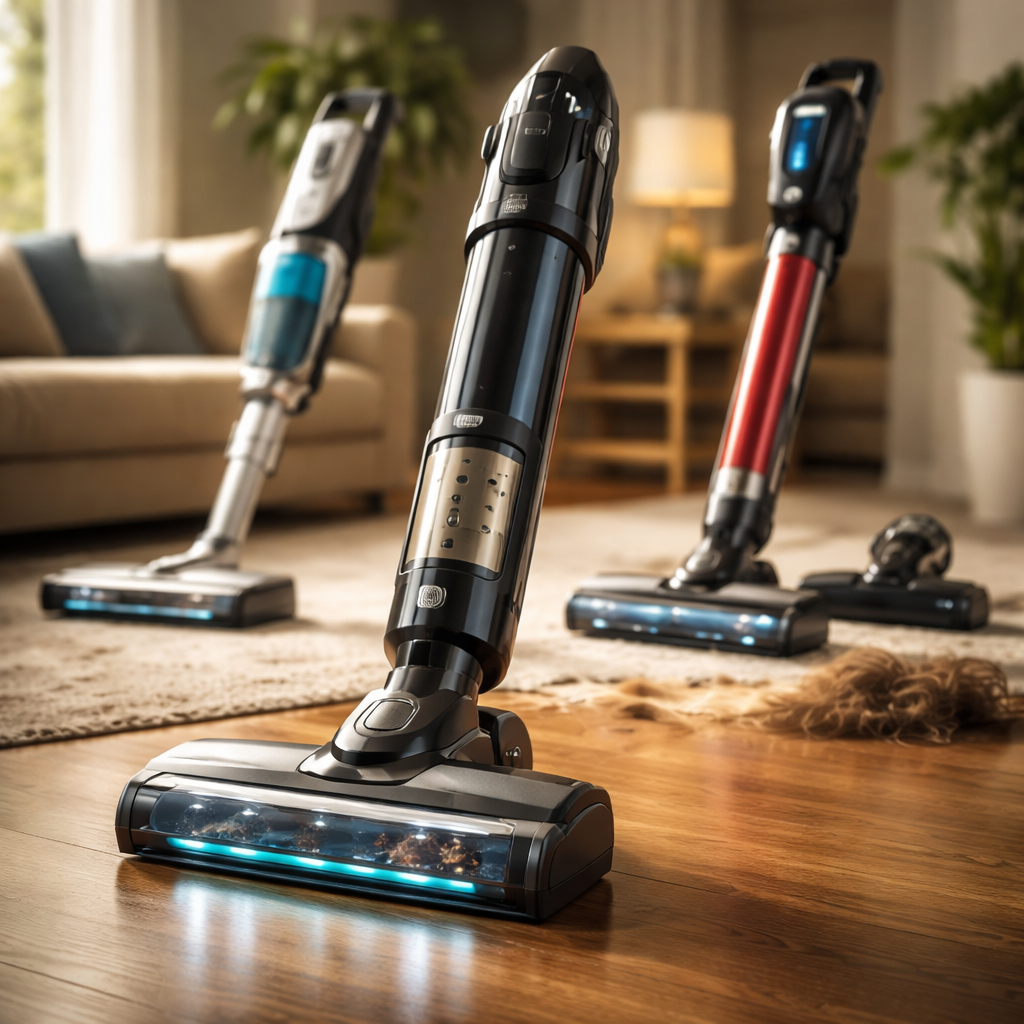
Spending several hundred dollars on a vacuum cleaner is a real commitment — and not everyone is convinced that Dyson is the only way to get spotless floors. If you’re genuinely looking for a solid alternative to Dyson vacuum cleaners, the good news is that the market has matured significantly, and several brands now deliver comparable or even superior performance at a fraction of the price.
Why People Start Looking Beyond Dyson
Dyson has built a strong reputation around engineering and design, but reputation alone doesn’t always justify the price tag. Common reasons people explore other options include the high cost of replacement parts, battery life concerns in cordless models, and the fact that some Dyson units feel surprisingly heavy for everyday use. That said, switching isn’t about abandoning quality — it’s about finding the right tool for your specific home, floor type, and budget.
There’s also the question of after-sales support. Dyson service centers aren’t available everywhere, and warranty claims can be complicated depending on where you purchased the unit. These practical frustrations push many buyers toward brands that may be less iconic but are equally capable.
What to Actually Look for in a Replacement
Before jumping to brand names, it helps to define what made Dyson attractive in the first place — and then match those features elsewhere. Most people value strong suction power, versatile attachments, good filtration (especially HEPA), and ease of emptying the dustbin. Cordless models have also become a standard expectation for many households.
- Suction power measured in air watts (AW) — aim for 100+ AW in corded models
- Battery runtime for cordless options — 40–60 minutes is considered comfortable
- Filtration type — HEPA filtration is essential for allergy sufferers
- Dustbin capacity — larger bins mean fewer trips to the trash
- Weight and maneuverability — especially important for multi-floor homes
- Availability of replacement filters and brush heads
Once you know which features matter most to you, comparing alternatives becomes far less overwhelming.
Brands Worth Considering
Several manufacturers have closed the gap with Dyson in meaningful ways. Here’s a straightforward look at some of the most consistently well-reviewed options:
| Brand / Model Line | Best For | Notable Feature |
|---|---|---|
| Shark (various cordless models) | Pet hair and carpets | DuoClean brush roll system |
| Miele (C3 series) | Allergy sufferers | Top-tier HEPA filtration, German build quality |
| Tineco (Pure ONE series) | Smart home users | Auto suction adjustment via iLoop sensor |
| Roborock (H-series) | Cordless versatility | Long battery life, lightweight design |
| Hoover (ONEPWR series) | Budget-conscious buyers | Interchangeable battery platform |
Each of these brings something distinct to the table. Miele, for example, is often recommended by cleaning professionals for its durability and filtration accuracy. Shark consistently earns high marks from pet owners. Tineco appeals to tech-savvy users who appreciate real-time air quality feedback during vacuuming.
A Closer Look at Cordless vs. Corded
The Dyson V-series popularized the cordless stick vacuum format, but it’s worth being clear-eyed about the trade-offs. Cordless vacuums — regardless of brand — typically sacrifice some suction consistency as the battery drains. They’re also limited by runtime, which can be a real constraint in larger homes.
A corded vacuum will almost always outperform a cordless one in raw suction and sustained power — the question is whether the freedom of movement is worth that trade-off for your living situation.
If your home is under 1,000 square feet and mostly hard floors, a mid-range cordless from Shark or Tineco will likely do everything you need. For larger spaces, multiple carpeted rooms, or heavy-duty cleaning sessions, a corded canister vacuum from Miele remains hard to beat — and many users find it more ergonomic than stick-style vacuums for extended cleaning.
The Pet Hair Problem
This deserves its own mention because pet hair is one of the most common reasons people invest in premium vacuums in the first place. The challenge isn’t just suction — it’s the ability of the brush roll to pick up hair without tangling, and the filtration system’s capacity to trap fine dander particles.
Shark’s Anti-Hair Wrap technology actively cuts hair from the brush roll during use, which reduces maintenance significantly. Tineco models with their tangle-free brush design also perform well in this category. Both approaches solve a real, everyday frustration that even some Dyson models still struggle with.
Price Points and What You’re Actually Paying For
It’s worth separating brand premium from genuine engineering value. With Dyson, part of the price reflects design, marketing, and the brand’s status as a lifestyle product. With Miele, the premium reflects decades of manufacturing precision and exceptional filter standards. With budget-friendly options like Hoover or Bissell, you’re getting acceptable everyday performance without the extras.
A reasonable way to frame your budget decision:
- Under $150 — entry-level cordless options, good for small apartments or supplemental use
- $150–$350 — mid-range cordless and corded models with solid filtration and attachments
- $350–$600 — premium cordless (Shark, Tineco) or high-end corded (Miele entry models)
- $600+ — top-tier performance, usually for specific needs like severe allergies or large homes
At no point does a higher price automatically mean better results for your specific floor type or cleaning habits. That’s the key insight most buying guides miss.
Making the Call That Actually Fits Your Home
There’s no single vacuum that’s best for everyone — and that’s precisely why the Dyson-or-nothing mindset is worth questioning. A studio apartment with hardwood floors has completely different requirements than a four-bedroom house with thick carpets, two dogs, and a toddler.
The smartest approach is to identify your two or three non-negotiable features, set a realistic budget, and then read verified long-term reviews — not just initial impressions. User reviews from six months to a year after purchase tend to reveal the issues that marketing materials never will: motor durability, battery degradation, brush roll wear, and customer service responsiveness.
Switching away from Dyson doesn’t mean settling. For many people, it means finally getting a vacuum that actually fits the way they live.