
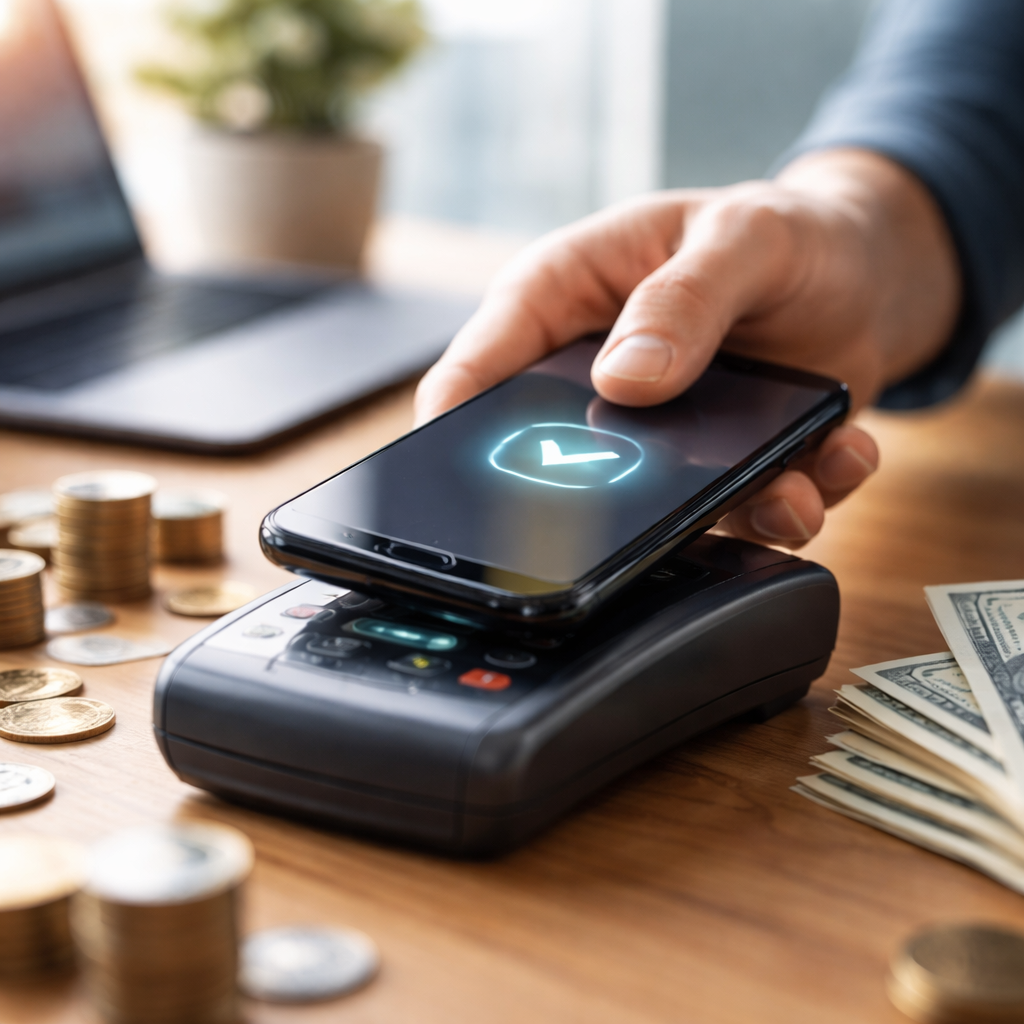
Cash withdrawals are quietly disappearing from daily routines in many countries — and it is not just a trend driven by convenience. The advantages of cashless society go far deeper than skipping the ATM queue: they reshape how economies function, how governments track illegal money flows, and how ordinary people manage their personal finances.
Why economists and policymakers take digital payments seriously
Moving away from physical currency is not simply a lifestyle upgrade. When transactions leave a digital footprint, tax evasion becomes significantly harder. Governments that have pushed hard toward digital payments — Sweden, South Korea, Singapore — consistently report improvements in tax compliance and reductions in the shadow economy. The logic is straightforward: money you can trace is money that gets taxed, and money that gets taxed funds public services.
Beyond tax revenue, central banks gain a much clearer picture of how money moves through the economy. That kind of real-time visibility helps policymakers respond faster to economic slowdowns, inflationary pressure, or sudden shocks — because they are working with actual data rather than estimates.
Everyday benefits that actually matter to people
The practical side of going cashless is where most people feel the difference in their daily lives. Consider what digital payments eliminate straight away:
- The risk of losing physical money or having it stolen
- The need to carry exact change for small purchases
- Long queues at checkout counters, since contactless payments take seconds
- Trips to the bank or ATM to withdraw funds
- Difficulty splitting bills or sending money to friends in different cities
Spending tracking is another underrated advantage. When every purchase is recorded automatically — whether through a bank app, a digital wallet, or a payment card — budgeting becomes far less effort. Instead of trying to remember where the cash went, users can pull up a categorized summary in seconds. This kind of financial visibility encourages smarter spending habits, especially for younger adults managing their money independently for the first time.
Digital payment records give people something cash never could: an honest mirror of their own spending behavior.
Security: where cashless genuinely outperforms physical money
One common concern is that digital money is somehow more vulnerable than cash. In practice, the opposite is often true. Physical cash, once stolen, is gone permanently. Digital funds can be frozen, recovered, and traced. Modern payment systems use multi-layer encryption, biometric authentication, and real-time fraud detection algorithms that would have seemed futuristic not long ago.
That said, security in a cashless environment depends heavily on the quality of the infrastructure. Here is how the risk profile compares:
| Scenario | Cash | Digital payment |
|---|---|---|
| Wallet stolen | Money lost permanently | Card blocked within minutes, funds protected |
| Fraudulent transaction | No recourse | Chargeback or dispute resolution available |
| Fire or natural disaster | Physical money destroyed | Funds remain in account, accessible elsewhere |
| Spending record for disputes | No proof available | Full transaction history retrievable |
Financial inclusion: bringing more people into the economy
One of the strongest but least discussed benefits of reducing cash dependence is what it does for financial inclusion. Mobile payment platforms and digital wallets have brought banking-like services to populations that historically had no access to traditional bank accounts — particularly in parts of Sub-Saharan Africa, Southeast Asia, and Latin America.
A small business owner in a rural area who previously had to travel hours to deposit cash can now accept payments, save money, and access small loans through a mobile phone. That is not a marginal improvement — it is a structural shift in economic participation.
Environmental and operational costs of printing money
Producing and managing physical currency costs more than most people realize. Minting coins, printing banknotes, transporting cash securely, maintaining ATM networks, and eventually destroying worn-out currency all consume significant resources — both financial and environmental. Reducing reliance on physical money lowers those costs across the board.
For businesses, the operational savings are also real. Handling cash involves time spent counting, mistakes in change-giving, the cost of cash registers and safes, and the risk of internal theft. Digital transactions settle automatically, reduce human error, and free up staff time for more productive tasks.
What a realistic path toward cashless looks like
No serious analyst suggests eliminating cash overnight, and the most successful transitions have been gradual and inclusive. The countries that have made the most progress share a few common features:
- Widespread access to smartphones and reliable internet connectivity
- Strong consumer protection laws around digital transactions
- Government investment in digital infrastructure, especially in rural regions
- Public education campaigns that build trust in digital financial systems
- Preservation of cash as an option during the transition period
The key tension to manage is between speed and equity. Pushing digital payments too fast in communities with limited internet access or low digital literacy can deepen inequality rather than reduce it. Done thoughtfully, though, the shift creates a more transparent, efficient, and accessible financial system for everyone involved.
The bigger picture worth keeping in mind
Reducing cash dependency is ultimately about more than payment convenience. It is about building systems that are harder to corrupt, easier to monitor, more resilient in emergencies, and more accessible to people who have historically been left outside formal economies. The transition raises legitimate questions about privacy and digital access — questions that deserve serious answers, not dismissal. But the core advantages are well-documented and increasingly visible in countries that have moved furthest along this path. For individuals, businesses, and governments alike, understanding what a cashless direction actually offers is the starting point for making informed decisions about where to go next.