
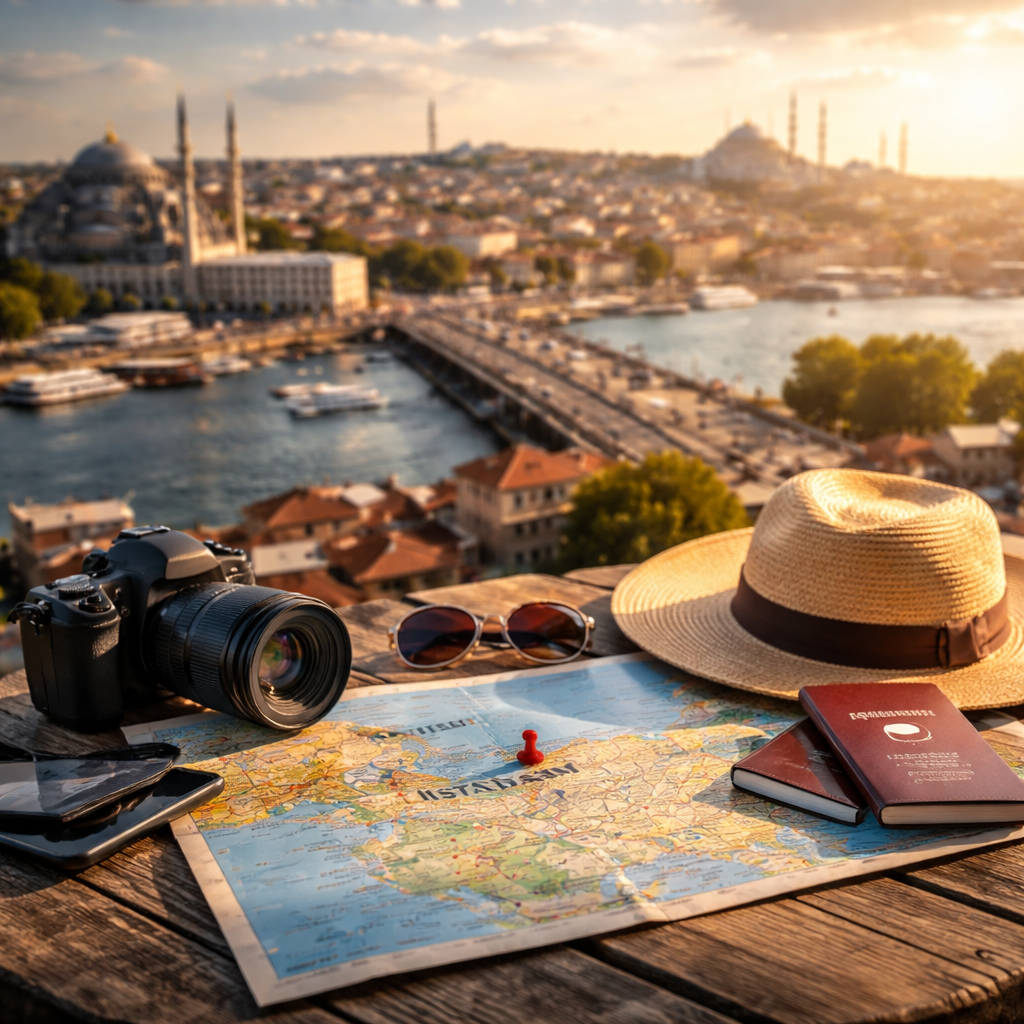
Every year, millions of travelers ask the same question before booking their flights: is it safe to travel to Turkey right now? And the honest answer is — it depends on where you’re going, when, and how well you’ve prepared. Turkey is a vast country with strikingly different regions, and lumping it all into a single safety verdict would be misleading. Let’s break it down properly.
What the official travel advisories actually say
Most Western governments — including those of the United States, United Kingdom, Canada, and Australia — maintain active travel advisories for Turkey. The general consensus among them is: exercise increased caution, especially near the Syrian and Iraqi borders in the southeastern part of the country.
These advisories don’t label Turkey as a country to avoid outright. Instead, they draw a clear distinction between popular tourist destinations like Istanbul, Cappadocia, Antalya, and Izmir — and the border provinces in the southeast, where the risk level is considerably higher due to ongoing regional instability.
“The vast majority of visits to Turkey are trouble-free. The main tourist areas experience low levels of serious crime.” — UK Foreign, Commonwealth & Development Office
So if your travel plans center around the Aegean coast, the historic sites of Ephesus, or the fairy chimneys of Göreme — you’re visiting a very different risk environment than someone heading to Şırnak or Hakkari provinces.
Crime, petty theft, and tourist scams
Like any major tourist destination, Turkey has its share of opportunistic crime. Pickpocketing in crowded areas, taxi overcharging, and restaurant scams targeting foreign visitors are the most commonly reported issues — particularly in Istanbul’s Sultanahmet and Taksim districts.
That said, violent crime against tourists remains relatively rare. The risk profile for most visitors is similar to that of major European cities. Staying alert in busy markets, keeping your valuables secured, and verifying taxi fares in advance goes a long way.
- Use licensed taxis or ride-hailing apps like BiTaksi instead of flagging down random cabs
- Keep a copy of your passport separately from the original
- Be cautious of overly friendly strangers who approach you near tourist sites — the “carpet shop” and “shoe polishing” scams are well-documented
- Avoid leaving drinks unattended in nightlife areas
- Stick to ATMs inside banks rather than standalone street machines
Terrorism risk: understanding the context
Turkey has experienced terrorist attacks in the past, and the threat has not disappeared entirely. The country borders conflict zones, and both Kurdish separatist groups and extremist organizations have carried out attacks on Turkish soil in previous years. This is a real factor that responsible travel planning must account for.
However, the Turkish government has significantly ramped up security measures in tourist zones. High-profile sites, airports, and public transit hubs have visible and substantial security presence. Attacks in heavily touristed areas have been infrequent compared to the overall volume of visitors the country receives annually.
The southeast remains the most sensitive area. Provinces bordering Syria — such as Gaziantep, Şanlıurfa, and Hatay — require a more serious evaluation before any visit. Travel to those areas should only be undertaken with a clear purpose, local contacts, and up-to-date situational awareness.
Regional breakdown: not all of Turkey is the same
| Region | General Safety Level | Notes |
|---|---|---|
| Istanbul | Moderate — exercise normal caution | High tourist traffic; petty crime present; well-policed |
| Cappadocia (Nevşehir) | Generally safe | Low crime; popular with international tourists year-round |
| Antalya / Aegean Coast | Generally safe | Resort-heavy area; infrastructure well-developed for tourism |
| Eastern Anatolia | Moderate caution advised | Remote areas; infrastructure less developed; check updates |
| Southeast (border provinces) | High caution / avoid non-essential travel | Proximity to conflict zones; elevated terrorism risk |
This distinction matters enormously. A traveler spending a week sailing along the Turquoise Coast faces a completely different reality than someone attempting to cross into Kurdish-majority border areas. Planning your itinerary with this geographic nuance in mind is the single most important step you can take.
Health, natural disasters, and other overlooked risks
Safety in travel isn’t only about crime or political instability. Turkey sits on a highly active seismic zone — the country has experienced devastating earthquakes, including the major disaster in the Kahramanmaraş region that affected large parts of southern and southeastern Turkey. If you’re visiting areas that were impacted, it’s worth checking on local infrastructure recovery before you go.
Healthcare in major Turkish cities is generally of good quality, with both public and private hospitals available. Travel insurance that includes medical evacuation coverage is strongly recommended, as it is for any international trip. Some medications common in other countries may require a local prescription in Turkey, so check ahead if you’re managing a chronic condition.
Tap water in Turkey is technically treated but not always recommended for drinking — bottled water is widely available and inexpensive. Food safety at established restaurants is generally reliable, though the usual caution applies with street food hygiene, especially during warmer months.
Cultural awareness as part of travel safety
One dimension of safe travel that often gets overlooked is cultural sensitivity. Turkey is a secular state but remains a predominantly Muslim country, and local customs vary considerably between cosmopolitan Istanbul and more conservative rural areas. Understanding these differences doesn’t just show respect — it actively reduces friction and misunderstandings that can escalate unnecessarily.
- Dress modestly when visiting mosques — shoulders and knees should be covered, and women are expected to cover their hair inside
- During Ramadan, eating or drinking openly in public during daylight hours may draw disapproval in more traditional areas
- Public displays of affection are generally frowned upon outside of tourist-heavy zones
- Photography near military installations, government buildings, or border zones is restricted and can lead to serious trouble
These aren’t restrictions that ruin a trip — they’re simply part of traveling respectfully and intelligently in a country with its own distinct social fabric.
Before you go: the preparation that actually matters
No amount of reading replaces real-time information. Travel conditions shift, and what was true six months ago may not reflect current realities on the ground. Here’s what genuinely useful pre-trip preparation looks like:
- Register with your country’s embassy or consulate in Turkey — most governments offer free traveler registration programs that allow them to contact you in emergencies
- Check the latest advisory from your government’s foreign affairs department within 48 hours of departure, not just at the time of booking
- Download offline maps of the areas you’ll visit — connectivity isn’t always reliable in more remote regions
- Have a local SIM card or an international data plan ready — being unreachable in an unfamiliar country is an unnecessary risk
- Share your detailed itinerary with someone you trust back home
Turkey rewards the travelers who approach it thoughtfully. The country has an extraordinary amount to offer — from the layered history of Istanbul’s old city to the surreal landscapes of Pamukkale and the warmth of Turkish hospitality that genuinely surprises most first-time visitors. Getting there informed and prepared is simply the smartest way to experience all of it.