
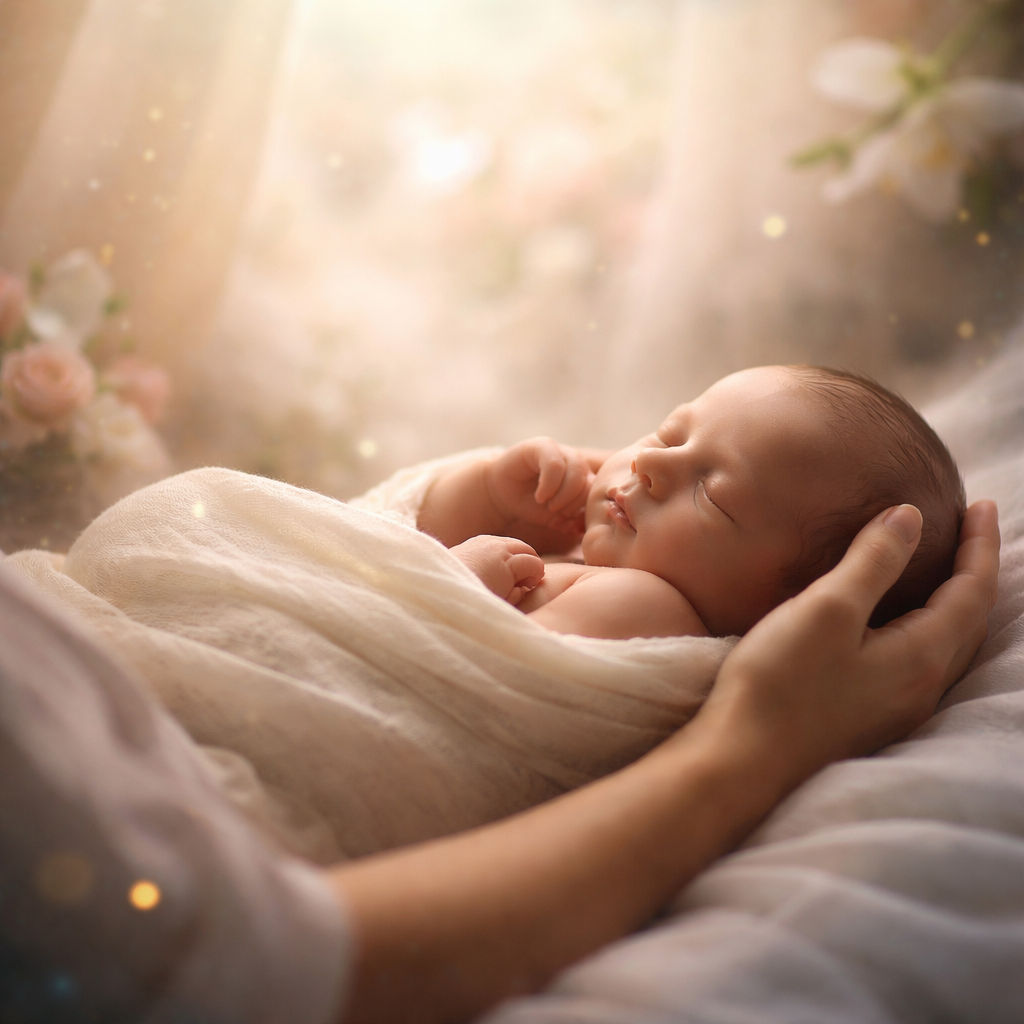
Many people wake up puzzled, even shaken, after a vivid dream about childbirth — and wondering what does dreaming about giving birth mean is far more common than most realize. These dreams rarely have a single straightforward answer, and that’s precisely what makes them worth exploring.
Why birth dreams feel so intense
Dreams involving labor and delivery tend to linger. Unlike dreams where you’re flying or late for an exam, birth dreams carry an emotional weight that follows you into your morning coffee. Psychologists suggest this is because the imagery of birth is deeply embedded in human experience — it signals transformation, vulnerability, and new beginnings at a primal level.
The emotional tone of the dream matters enormously. Giving birth painlessly and joyfully in a dream reads very differently from a dream filled with fear, complications, or unexpected outcomes. Your subconscious isn’t just recycling random images — it’s processing something that feels significant to you personally.
What birth symbolizes in dream interpretation
Across various schools of dream analysis — from Jungian psychology to more contemporary cognitive approaches — giving birth in a dream is most consistently associated with creative or personal beginnings. This doesn’t necessarily mean you want a baby, or that pregnancy is on the horizon. More often, the symbolism points inward.
- A new project, career path, or creative endeavor you’ve been developing
- A part of your personality that’s finally coming into its own
- A relationship, idea, or goal that has been “growing” quietly for some time
- A long-delayed decision that is now ready to be acted upon
- A transition in life — moving, changing roles, ending one chapter and beginning another
Carl Jung described birth in dreams as a symbol of the emergence of a new aspect of the self. In his framework, what is “born” represents something that has completed its inner development and is now ready to exist in the outer world.
“The birth of something new in a dream is rarely about a literal child — it is about what that child represents for the dreamer at this particular moment in their life.”
How context shapes the meaning
The specific details of a birth dream shift its interpretation considerably. Dream analysts and psychologists both emphasize that context — who is present, what the environment feels like, and what happens after the birth — gives the dream its personal meaning.
| Dream scenario | Common interpretation |
|---|---|
| Giving birth to a healthy baby with ease | Readiness for a new beginning; confidence in a creative or personal endeavor |
| A difficult or painful labor | Anxiety about a challenging transition; fear that something important won’t go as planned |
| Giving birth to an unexpected creature or object | Surprise at your own ideas or emotions; something unfamiliar emerging from within |
| Giving birth and then losing the baby | Fear of failure; concern about nurturing something you’ve started |
| Someone else giving birth while you watch | Witnessing change in someone close; feeling adjacent to a transformation rather than leading it |
It’s worth noting that pregnancy dreams and giving birth dreams often occur together in cycles — appearing when a person is on the edge of a significant life change, whether they consciously recognize it or not.
When these dreams appear most frequently
Research into dream patterns shows that birth-related dreams tend to cluster around specific life circumstances. They’re especially common during periods of transition, creative pressure, or emotional upheaval — not only for women, but for people of all genders.
People who are actually pregnant do report more vivid and frequent birth dreams, which is well-documented. However, individuals who are nowhere near pregnancy also have these dreams regularly — particularly when they are:
- Launching something they’ve worked on for a long time
- Ending a significant relationship or beginning a new one
- Going through professional reinvention or a major career shift
- Processing deeply personal growth in therapy or self-reflection
- Experiencing heightened anxiety about an unresolved situation
Cultural and spiritual lenses on birth dreams
Dream interpretation doesn’t exist in a cultural vacuum. Different traditions have approached birth dreams with their own frameworks, and while these shouldn’t replace personal reflection, they add depth to the conversation.
In many Indigenous traditions, dreaming of birth is considered a powerful omen of renewal — for the dreamer, their family, or community. In Islamic dream interpretation, giving birth in a dream is often read as a sign of relief from hardship or the fulfillment of a long-held wish. In Western psychological tradition, as explored by both Freud and Jung, birth imagery connects to deep unconscious material — the emergence of something that was previously hidden or suppressed.
None of these interpretations is definitively “correct.” They each offer a different angle on an experience that is ultimately personal. What they share, however, is the underlying agreement that birth in dreams signals change, emergence, and the beginning of something that matters.
How to work with this dream when it stays with you
If a birth dream has stayed with you, the most useful thing you can do is sit with it rather than dismiss it. Dream journaling — writing down the details and your emotional response immediately after waking — is one of the most widely recommended tools by sleep researchers and therapists alike.
Ask yourself a few grounded questions:
- What was I feeling during the dream — fear, joy, relief, confusion?
- Is there anything in my current life that feels like it’s on the verge of changing or being “born”?
- Did the dream leave me with a sense of urgency, peace, or unease?
- Who else was in the dream, and what do they represent to me?
These aren’t mystical questions — they’re reflective ones. Dream analysis at its most practical is simply paying attention to what your mind is already processing. Birth dreams, more than most, tend to carry a message worth listening to.
The dream isn’t a prediction — it’s a conversation
One of the most important things to understand about birth dreams is what they are not. They are not prophecies. Dreaming of giving birth does not mean you will become pregnant, nor does a difficult labor dream predict real-life hardship. What these dreams do is reflect the inner landscape of the person having them.
Treating a dream as a conversation with yourself — rather than a coded message from the universe — is both more scientifically grounded and more personally useful. When you wake up from a birth dream, you’re not receiving news. You’re being shown something your own mind considers significant enough to dramatize while you sleep.
That, in itself, is worth a moment of honest reflection.