
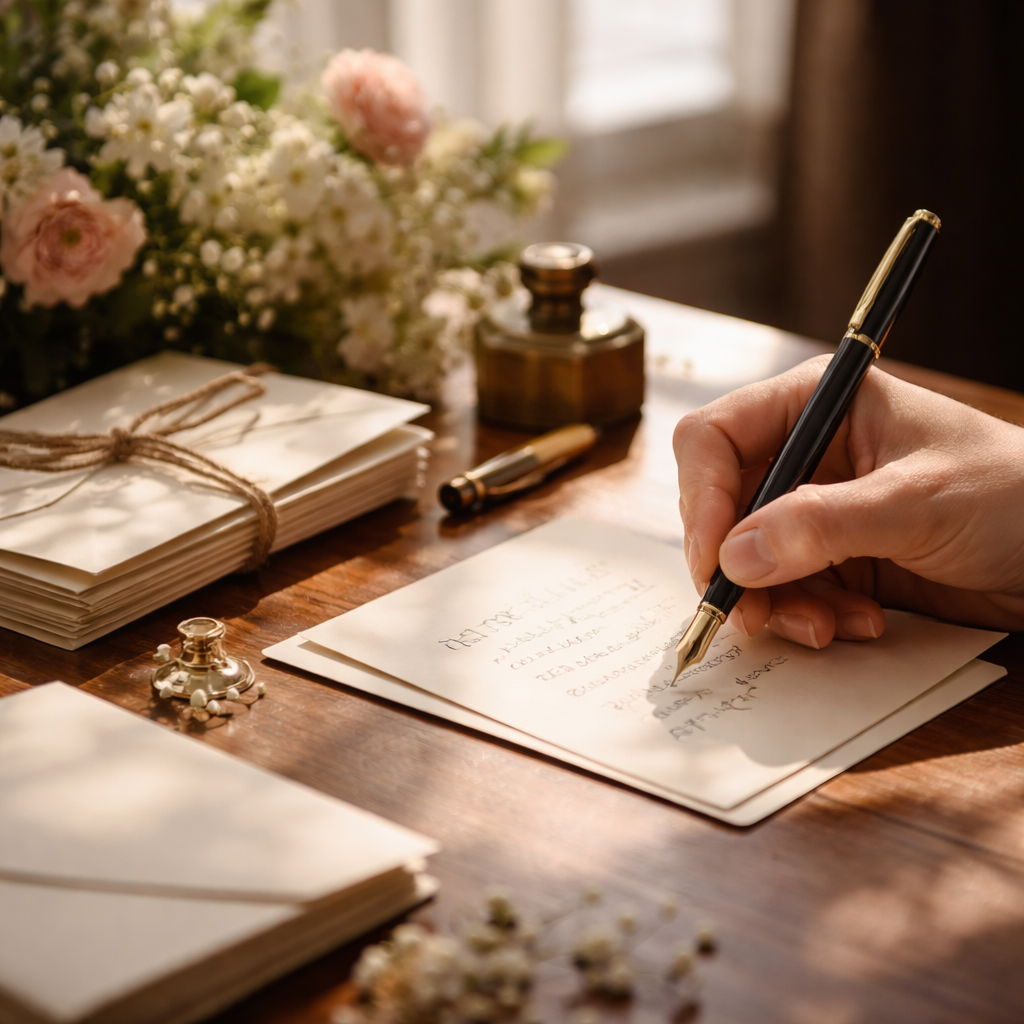
Most people know they should send a thank you note — but when it comes to actually writing one, they freeze. What do you say beyond “thanks”? How long should it be? Knowing how to write a thank you note that feels genuine rather than obligatory is a small skill with a surprisingly large impact on your personal and professional relationships.
Why a thank you note still matters in the age of instant messages
A quick emoji reaction or a two-word text reply has become the default response to almost everything. That’s exactly why a thoughtfully written thank you note stands out. Research in social psychology consistently shows that people underestimate how much a written expression of gratitude means to the recipient — and overestimate how awkward or unnecessary it might seem to send one.
Whether you’re thanking someone for a job interview, a wedding gift, a favor from a colleague, or simply a kind gesture from a friend, the written note signals that you actually paused, thought about the person, and made an effort. That effort is the message within the message.
The core structure that works every time
A good thank you note doesn’t need to be long. In fact, shorter and more specific is almost always better than longer and vague. There’s a reliable three-part flow that works for nearly any situation:
- Open with a direct expression of thanks, naming exactly what you’re grateful for.
- Add a sentence or two that shows you actually thought about the gift, gesture, or help — not just that you received it.
- Close warmly, with a forward-looking line or a personal touch that fits your relationship with the person.
That’s genuinely all you need. The trap most people fall into is trying to fill space when they run out of things to say, which ends up making the note feel hollow. A focused four-sentence note is far more powerful than a rambling paragraph.
Specificity is what separates a real note from a formality
The single most effective upgrade you can make to any thank you note is specificity. Compare these two openings:
| Generic version | Specific version |
|---|---|
| “Thank you so much for the gift. It was very thoughtful.” | “Thank you for the cookbook — I already bookmarked three recipes and made the pasta dish last weekend.” |
| “I really appreciate your help with everything.” | “Your advice on how to approach the negotiation made a real difference. I walked in feeling prepared.” |
| “It was great to meet with you. Thanks for your time.” | “I especially appreciated your insight on the company’s expansion plans — it gave me a much clearer picture of the role.” |
The specific versions require maybe thirty extra seconds of thought. But they make the reader feel seen — not just acknowledged. That’s the difference between a note that gets remembered and one that gets forgotten the moment it’s read.
Tone: matching the note to the relationship
One reason people struggle with thank you notes is that they try to apply one tone to every situation. A note to your grandmother after her birthday gift should feel nothing like a thank you email to a hiring manager after a job interview. Here’s a quick guide to calibrating your tone:
- Close friends and family: warm, casual, personal. Use their nickname if you usually do. Let your personality show through.
- Professional contacts and colleagues: professional but human. Avoid stiff corporate language, but keep it respectful and clear.
- Formal situations (business partners, donors, public officials): polished and concise. No slang, no overly casual closings.
“The best thank you notes don’t sound like thank you notes — they sound like the person who wrote them.”
That quote captures something important: authenticity matters more than perfect phrasing. If you’re naturally warm and a little funny, let that come through even in a professional note — within reason. If you’re more reserved, a clean and sincere message will feel more genuine than one crammed with exclamation points.
Handwritten or digital — which one to choose
This depends on context, and there’s no universal rule. A handwritten note carries more weight in personal situations — birthdays, weddings, condolences, or thanking someone who went significantly out of their way for you. The physical effort signals that you valued the moment enough to slow down.
Email works well in professional settings, especially when a quick turnaround matters — like after a job interview, where sending a thank you note within 24 hours is standard practice. It also makes sense when the person you’re thanking primarily communicates digitally and a handwritten card might feel out of place.
What doesn’t work: a thank you sent as a social media comment, a voice note, or a group text. These formats are fine for casual acknowledgment, but they don’t carry the intentionality that a proper thank you note does.
Common mistakes that undercut an otherwise good note
Even people with good intentions can accidentally write a note that misses the mark. A few things worth avoiding:
- Making it about yourself. “Your gift came at such a hard time for me…” shifts the focus away from gratitude and toward your own story.
- Being vague or generic in a way that suggests you could have sent the same note to ten different people.
- Waiting so long that the note arrives awkwardly late — though a late note is still better than no note at all.
- Ending abruptly without any warm closing. Even a simple “With gratitude” or “Warmly” makes a difference.
- Apologizing inside the thank you. “Sorry this is late, but thanks…” leads with the wrong emotion entirely.
A few real-life examples to borrow from
Sometimes the easiest way to understand what works is to see it in practice. Here are three short examples across different situations:
After a job interview: “Thank you for taking the time to meet with me on Thursday. I came away with a much better understanding of the team’s direction, and I’m genuinely excited about the possibility of contributing to that work. I appreciated your openness throughout the conversation.”
For a personal favor: “I just wanted to say thank you for helping me move last weekend. I know that was a full day of your time, and it meant a lot that you showed up. The new place is coming together — you’ll have to come see it once it’s settled.”
For a gift: “The book you chose is exactly the kind of thing I never would have picked up on my own — which made it the best kind of surprise. I’m already two chapters in. Thank you for thinking of me.”
The habit that changes how people see you
Writing thank you notes regularly isn’t about being old-fashioned or overly formal. It’s about building a habit of noticing when people do something worth acknowledging — and then actually doing something about it. Over time, that habit shifts the quality of your relationships in ways that are hard to measure but easy to feel.
Keep a small stack of cards somewhere visible. Save a draft template in your email for professional follow-ups. Give yourself a loose rule: if someone did something that made your day noticeably easier or better, they deserve a note. It doesn’t have to be perfect. It just has to be real.