
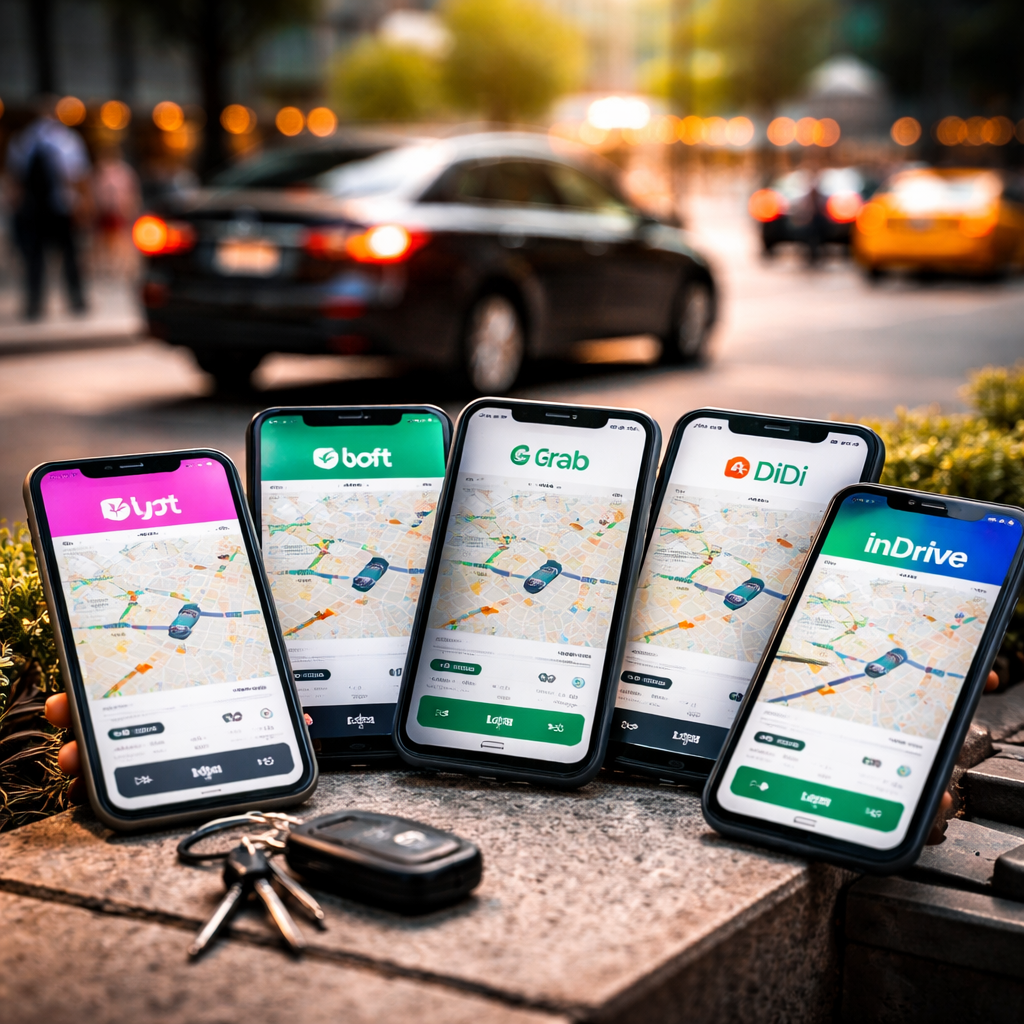
Ridesharing has quietly reshaped how millions of people move through cities — but relying on a single platform means accepting its pricing, availability, and policies without question. If you’ve ever wondered whether there’s a solid alternative to Uber that might actually suit your needs better, the answer is: yes, several of them, and each works differently depending on where you live and what you prioritize.
Why people start looking beyond one platform
Surge pricing during peak hours, limited driver availability in suburban areas, or simply wanting more control over costs — these are the real reasons riders explore other options. It’s rarely about loyalty or brand preference. It’s about getting from point A to point B efficiently and without unpleasant surprises on the receipt.
The ridesharing market has expanded significantly over the past decade, and competition has pushed apps to differentiate themselves through pricing models, driver treatment, safety features, and regional coverage. Knowing what’s available puts you in a much stronger position as a consumer.
The most widely used ridesharing apps around the world
Different platforms dominate different regions, so your location plays a major role in which services are actually available to you. Here’s a practical breakdown of the most established options:
| App | Best known for | Primary regions |
|---|---|---|
| Lyft | Competitive pricing, US-focused | United States, Canada |
| Bolt | Lower fares, driver-friendly model | Europe, Africa, Middle East |
| Grab | Super app with rides, food, payments | Southeast Asia |
| DiDi | Largest ride volume globally | China, Latin America, Australia |
| Ola | Wide vehicle category range | India, UK, Australia, New Zealand |
| inDrive | Fare negotiation between rider and driver | Global, strong in emerging markets |
Each of these platforms has carved out its niche. Bolt, for instance, has been particularly popular in Eastern Europe and parts of Africa by offering lower commissions to drivers, which often translates into better service and slightly lower fares for passengers. InDrive takes a completely different approach — riders propose a fare, drivers accept or counter, and both sides agree before the trip begins.
What actually makes these apps different from each other
It’s tempting to think all ridesharing apps are basically the same with different logos. In practice, the differences can be meaningful depending on your priorities.
- Pricing model: Some use dynamic surge pricing, others cap maximum fares or allow negotiation.
- Driver earnings and turnover: Apps that treat drivers better tend to have more experienced, motivated drivers on the platform.
- Safety features: In-app emergency buttons, trip sharing with contacts, and identity verification vary widely between services.
- Vehicle options: Budget rides, premium cars, electric vehicles, and even motorbike taxis are available depending on the platform.
- Payment flexibility: Some apps require card payments only, while others accept cash, which matters in many markets.
The best ridesharing app isn’t the most popular one globally — it’s the one with the most reliable drivers in your city and the pricing that doesn’t punish you for needing a ride during rush hour.
Beyond apps: other ways to get around without a personal car
Ridesharing platforms are just one piece of the broader urban mobility picture. Depending on your city, you might find that combining different transport options gives you more freedom and less spending overall.
Bike-sharing and scooter rental services have become a practical choice for short urban trips where a car ride would feel excessive. Services like Lime, Bird, and various city-operated bike programs let you cover the last mile between public transport stops and your destination without waiting for a driver.
Carpooling platforms like BlaBlaCar connect people traveling the same intercity route, splitting fuel costs along the way. This model works especially well for medium-distance trips between cities where trains might be expensive or infrequent.
How to choose the right option for your situation
There’s no single answer here, and that’s actually good news. The variety available means you can match a service to your specific context rather than adapting to one platform’s limitations.
If you travel frequently between cities in Europe, Bolt and BlaBlaCar are worth having on your phone. If you’re based in Southeast Asia, Grab effectively combines rides with food delivery and digital payments in one place. For US-based riders who want competition to Uber’s pricing, Lyft covers most major cities and often runs promotional discounts for new users.
For people who travel internationally with any regularity, installing two or three apps before arriving somewhere unfamiliar is simply smart preparation. Driver availability, pricing, and even safety standards can vary dramatically between platforms in the same city.
The part most riders overlook
Reading reviews specifically from your city — not global ratings — tells you far more about real-world experience than any marketing material. Local forums, expat communities, and travel groups often have fresh, honest discussion about which apps actually work well in a given place at a given time.
Driver behavior, wait times, and app reliability shift constantly. An app that had poor coverage two years ago might now be the dominant option in your neighborhood. Staying curious and occasionally testing a new platform costs very little and occasionally saves you real money or hassle.
Mobility is increasingly personal and context-dependent. The riders who navigate it most comfortably are usually the ones who stopped treating any single app as the default answer — and started thinking of their transport options as a toolkit rather than a subscription.