
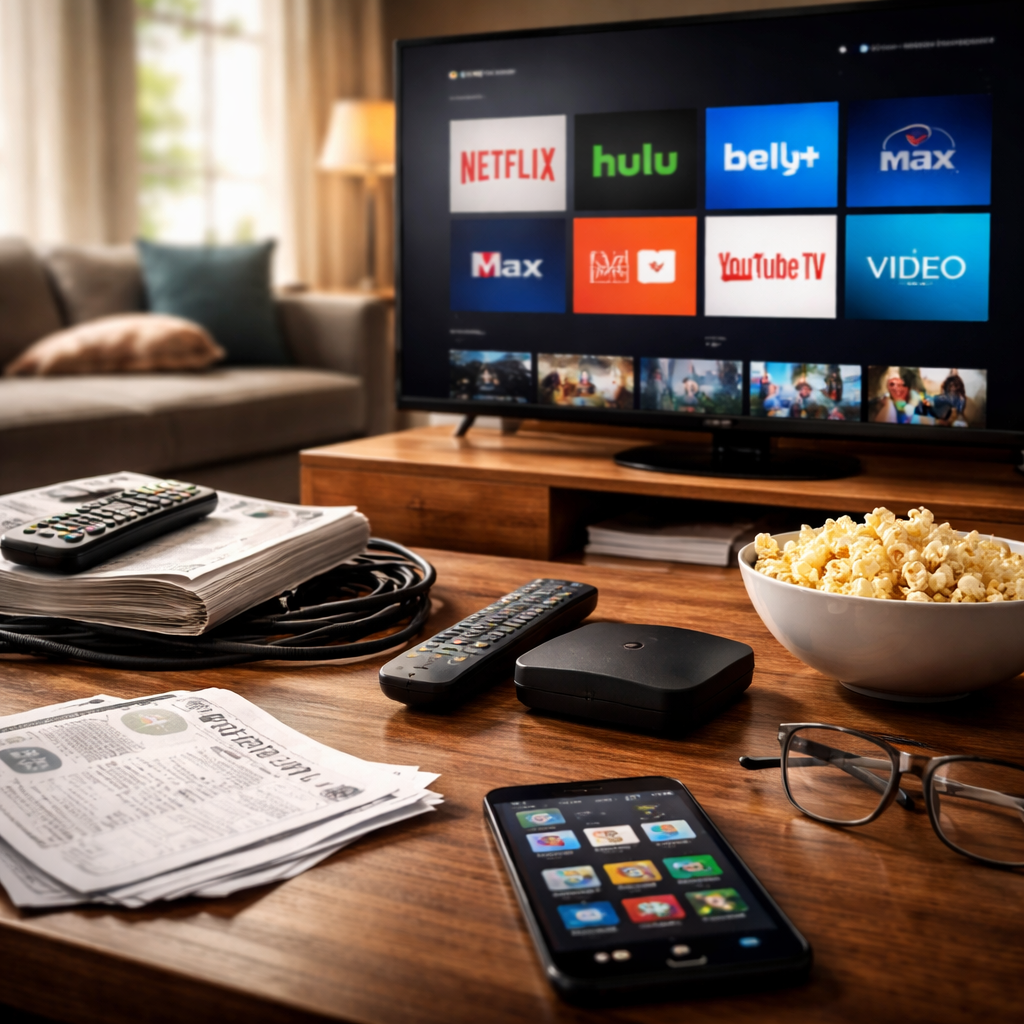
Cutting the cord has become one of the most talked-about household decisions of the past decade, and for good reason — the average cable bill keeps climbing while viewers increasingly ask whether they’re actually watching enough to justify it. If you’re seriously considering an alternative to cable TV, you’re not alone, and the options available today are far more capable than most people realize.
Why People Are Walking Away From Traditional Cable
The frustration usually starts with the bill. Bundled packages often include dozens of channels nobody watches, long-term contracts with early termination fees, and rental charges for equipment that feels outdated. Add in the growing number of streaming-native shows that never air on cable at all, and the value proposition becomes harder to defend.
But it’s not just about money. Viewers want flexibility — the ability to watch on their own schedule, on any device, without sitting through three commercial breaks in a ten-minute segment. That shift in expectation is what’s driving millions of households to rethink how they consume content entirely.
Streaming Services: The Most Popular Replacement
Subscription video-on-demand platforms are the first thing most people turn to when leaving cable. Services like Netflix, Hulu, Max, Disney+, Apple TV+, and Paramount+ each offer substantial content libraries covering movies, original series, documentaries, and children’s programming. None of them require a contract, and most can be cancelled at any time.
The key insight here is that you don’t need all of them at once. Many households rotate subscriptions — subscribing to one platform for a month to watch a specific show, then switching to another. This approach keeps costs low and prevents subscription fatigue.
| Service | Live TV Included | Offline Downloads | Starting Price Range |
|---|---|---|---|
| Netflix | No | Yes | Standard tier available |
| Hulu | Optional add-on | Limited | Ad-supported free tier |
| YouTube TV | Yes | DVR cloud only | Mid-range monthly fee |
| Sling TV | Yes | No | Lower-cost base packages |
| Apple TV+ | No | Yes | Affordable monthly rate |
Live TV Streaming: Keeping the Channel-Surfing Experience
One concern that holds some viewers back from cutting the cord is live television — news, sports, and real-time events. This is where virtual MVPD services (multichannel video programming distributors) come in. Platforms like YouTube TV, Sling TV, FuboTV, and DirecTV Stream offer live channel bundles delivered over the internet, without requiring a satellite dish or cable box.
FuboTV, for instance, is particularly well-regarded among sports fans due to its extensive coverage of soccer, NFL, NBA, and international leagues. Sling TV offers one of the most affordable entry points, though its channel lineup is more limited. The right choice depends entirely on which live content matters most to you.
Live TV streaming services typically don’t require annual contracts, which means you can subscribe during sports season and pause when there’s nothing you need to watch live.
Free Options That Most People Overlook
Not every cable replacement costs money. There’s a surprising amount of free, legal content available through ad-supported platforms and over-the-air broadcasting.
- Tubi — a large free streaming library supported by ads, covering movies and TV shows across most genres
- Pluto TV — offers both on-demand content and free live TV channels organized by topic
- Peacock — NBC’s platform includes a free tier with access to news, sports highlights, and classic shows
- The Roku Channel — available on Roku devices and browsers, with a mix of free and premium content
- Over-the-air antenna — a one-time hardware purchase that unlocks free local broadcast channels including ABC, CBS, NBC, Fox, and PBS in HD
The antenna option in particular is underused. A decent indoor antenna costs between $20 and $50 and gives you local news and network television completely free, with no monthly fee attached. For households that mainly watch local content, this alone can replace a significant portion of what cable provided.
Hardware Worth Knowing About
Switching away from cable also means choosing how you access your new services on the TV screen. Streaming sticks and boxes have matured into reliable, user-friendly devices that support virtually every platform available.
The most widely used options include the Amazon Fire TV Stick, Roku Express, Google Chromecast with Google TV, and Apple TV. Smart TVs from Samsung, LG, and Sony often come with built-in streaming platforms as well, which can eliminate the need for an external device entirely. The choice between them usually comes down to which voice assistant you prefer and which app ecosystem fits your existing habits.
Building Your Setup Without Overspending
One of the most practical concerns about ditching cable is ending up with a messy stack of subscriptions that collectively cost more than cable did. That’s a real risk, and it’s worth being intentional from the start.
A sensible approach is to map out what you actually watch in a typical week. Live sports? Local news? Specific shows? Children’s content? Each answer points toward a different combination of tools. You might find that one mid-tier streaming service, a free platform like Tubi, and an antenna covers everything you need for well under the average cable bill.
The goal isn’t to replicate cable with streaming — it’s to build something that fits how you actually watch, not how cable trained you to watch.
Making the Switch on Your Own Terms
There’s no single correct way to leave cable, which is arguably the best part of the transition. You can go all-in immediately or test the waters by adding a streaming service before cancelling your current plan. Most providers allow you to downgrade or pause service rather than cancel outright, which can be useful while you’re figuring out what you actually need.
What matters more than the specific services you choose is understanding that the landscape is genuinely competitive right now — platforms are investing heavily in content quality, and the gap between cable programming and streaming originals has essentially closed. The only thing cable still has that streaming doesn’t always match is convenience for viewers who don’t want to make decisions. But once your setup is in place, the experience is just as seamless — and considerably lighter on your monthly budget.