
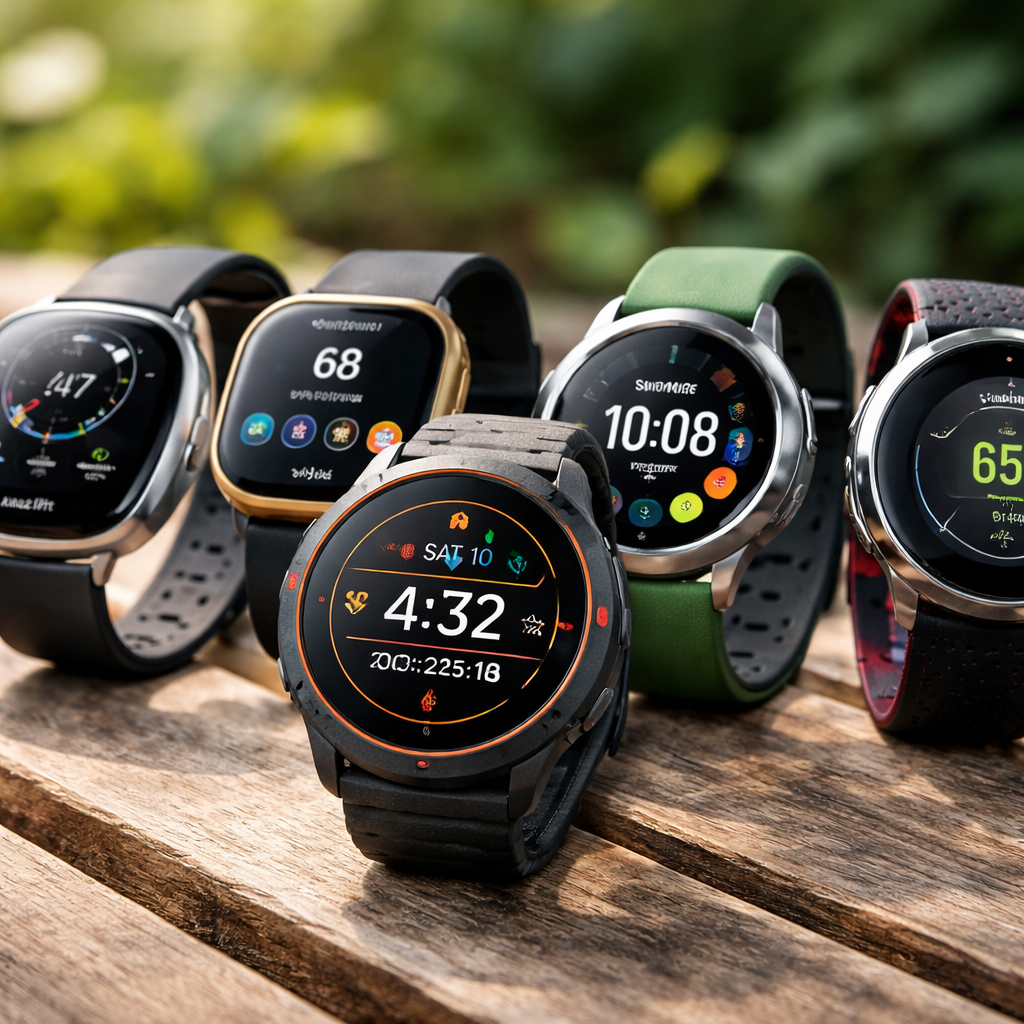
Choosing an alternative to Apple Watch is not just about saving money — it’s about finding a device that actually fits your lifestyle, priorities, and wrist. The smartwatch market has expanded dramatically, and today there are genuinely strong contenders that match or even surpass Apple’s flagship in specific areas like battery life, health tracking depth, or sports-focused features.
Why people look beyond Apple’s ecosystem
Apple Watch is an outstanding product — no one disputes that. But it only works with iPhone, requires daily charging, and comes at a premium price. For Android users, it’s simply not an option. For athletes, minimalists, or people in demanding outdoor environments, there are devices that perform better where Apple Watch falls short. Understanding what you actually need from a wearable makes the search much easier.
Garmin: the endurance athlete’s first choice
Garmin consistently dominates the conversation when serious fitness tracking comes up. Devices like the Garmin Forerunner series or the Fenix line offer GPS accuracy, multi-sport tracking, and battery life that can stretch to weeks rather than hours. The health monitoring suite includes VO2 max estimation, training load analysis, sleep tracking, and body battery energy monitoring — features that go considerably deeper than most casual fitness trackers.
Garmin watches are platform-agnostic, meaning they pair with both Android and iOS without compromise. For trail runners, cyclists, swimmers, and hikers, this is often the most practical choice on the market.
Samsung Galaxy Watch: the Android user’s natural fit
If you use an Android phone, Samsung Galaxy Watch delivers an experience that genuinely parallels what Apple Watch offers iPhone users. Running on Wear OS with Samsung’s One UI Watch layer, it supports a wide app ecosystem, Google Assistant, Google Maps, and contactless payments. The health features include ECG monitoring, blood pressure tracking (in supported regions), and continuous heart rate monitoring.
Design-wise, Samsung has leaned into premium materials and a round display that many users prefer over Apple’s square form factor. Battery life typically reaches two to three days, which still requires regular charging but is more forgiving than Apple Watch’s single-day cycle.
Fitbit: simplicity and long-term health data
Now owned by Google, Fitbit occupies a distinct niche — it’s less about smartwatch functionality and more about consistent, long-term health monitoring. Fitbit devices are particularly valued for their sleep tracking accuracy, stress management scores, and the depth of historical health data the app preserves over time.
Fitbit’s strength is not in flashy features — it’s in the habit of quietly gathering data day after day, giving users a genuinely useful picture of their health trends over months and years.
For someone who wants a lightweight, comfortable wearable with solid battery life and doesn’t need full smartphone notifications or app support, Fitbit remains a thoughtful choice.
A quick comparison of key features
| Device | Battery Life | Platform | Best For |
|---|---|---|---|
| Garmin Forerunner | Up to 2 weeks | iOS & Android | Endurance sports, GPS accuracy |
| Samsung Galaxy Watch | 2–3 days | Android (limited iOS) | Android users, everyday smartwatch |
| Fitbit Sense / Charge | 5–7 days | iOS & Android | Health tracking, sleep monitoring |
| Polar Vantage | Up to 7 days | iOS & Android | Serious athletes, training analysis |
| Amazfit GTR / GTS | Up to 14 days | iOS & Android | Budget-friendly, long battery |
Polar and Suunto: for those who take training seriously
Polar and Suunto serve a slightly different audience than Garmin — users who want deep physiological insights without the bulky outdoor-adventure aesthetic. Polar’s training load metrics and recovery tracking are widely respected in the sports science community. Suunto, on the other hand, has a loyal following among mountaineers, divers, and expedition athletes who need rugged hardware and reliable navigation tools.
Both brands work seamlessly across iOS and Android, and their companion apps provide detailed post-workout analysis that goes well beyond what Apple’s Fitness app offers.
Amazfit: when budget matters without sacrificing features
Amazfit, produced by Zepp Health, has quietly become one of the most interesting value propositions in the wearable space. Devices like the GTR and GTS series offer AMOLED displays, built-in GPS, heart rate and SpO2 monitoring, and battery life that regularly reaches two weeks. The price point is significantly lower than premium competitors, making it an accessible entry point for anyone curious about smartwatches without a large upfront commitment.
The right choice depends on your phone, habits, and goals
There’s no single best alternative — the right wearable depends on what you carry in your pocket, how active you are, and what you genuinely want to track. Android users gain the most from Samsung or Wear OS devices. Athletes focused on performance data rarely regret going with Garmin or Polar. People who want effortless, long-battery health tracking tend to land on Fitbit or Amazfit.
The smartwatch space has matured to the point where every major category is well served. Apple Watch remains excellent within its ecosystem, but the market around it has grown strong enough that switching — or simply never starting with Apple — is a perfectly well-supported decision.