
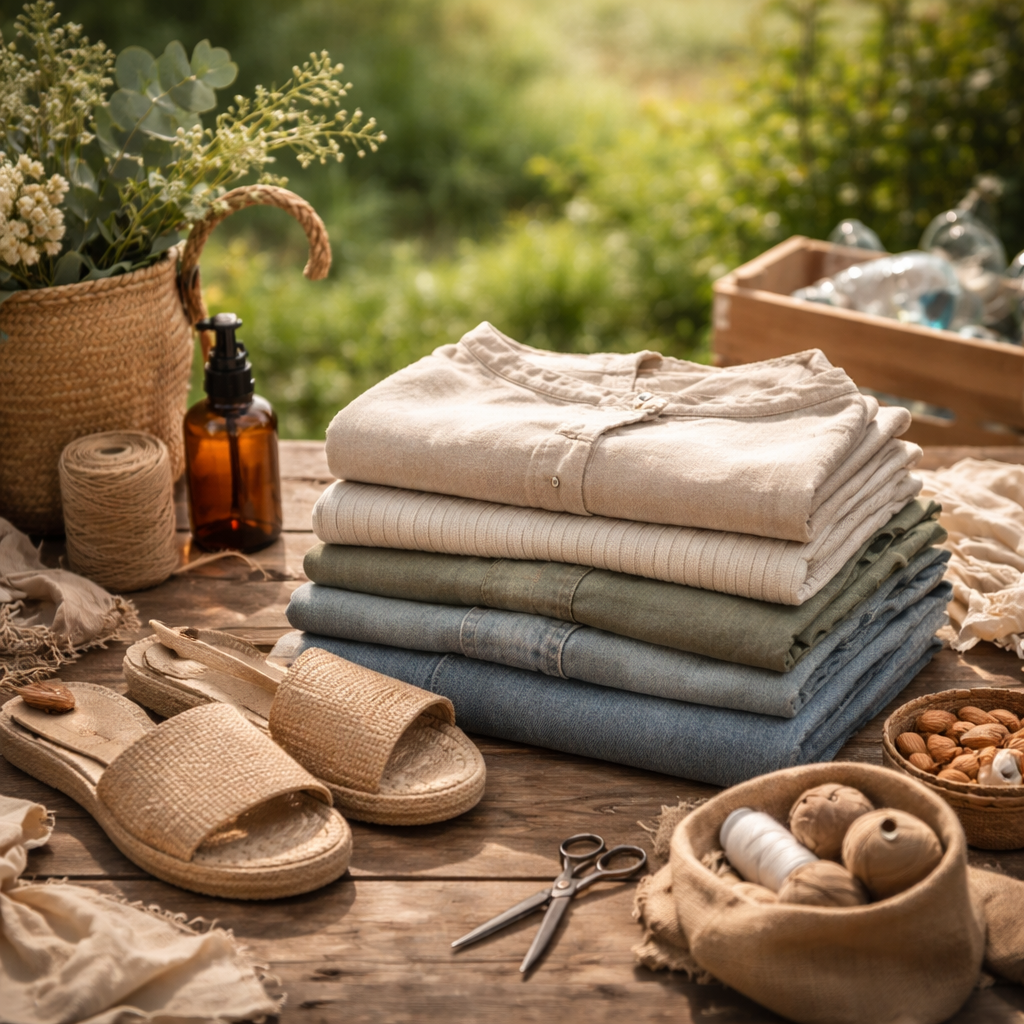
What you wear says more about your values than most people realize — and the advantages of sustainable fashion go far beyond looking good while doing good. The clothing industry is one of the largest polluters on the planet, consuming vast amounts of water, releasing toxic dyes into waterways, and generating mountains of textile waste every single day. Choosing a different path is not just a trend. It is a shift in how we think about production, consumption, and responsibility.
Why the fashion industry needs rethinking
Fast fashion has trained consumers to treat clothing as disposable. A shirt worn twice and discarded, a dress bought for a single event, shoes that fall apart within months — this cycle has real consequences. Textile production accounts for a significant share of global carbon emissions, and synthetic fabrics like polyester shed microplastics into oceans with every wash cycle.
Sustainable fashion challenges this model by prioritizing longevity, ethical labor, and low-impact materials. It is not about wearing the same outfit forever or sacrificing style. It is about making conscious decisions that consider where a garment comes from and where it will eventually end up.
Environmental benefits that actually matter
The environmental case for sustainable clothing is compelling. Organic cotton, for example, uses significantly less water than conventional cotton and avoids the heavy pesticide loads that damage soil and surrounding ecosystems. Fabrics made from recycled materials — such as bottles or reclaimed textiles — reduce the demand for virgin resources and keep waste out of landfills.
- Lower carbon footprint across the production chain
- Reduced water consumption in manufacturing
- Minimal use of synthetic dyes and harmful chemicals
- Less textile waste ending up in landfills or incinerators
- Support for biodiversity through organic farming practices
Natural and plant-based textiles like linen, hemp, and Tencel are gaining popularity not just for their eco credentials but also for their breathability and durability. Hemp, in particular, grows quickly without pesticides and actually enriches the soil it grows in — a rare quality among commercial crops.
The human side of ethical clothing
Sustainability in fashion is inseparable from social responsibility. Behind every garment is a person who made it, and for too long, fast fashion has kept those people invisible. Ethical brands commit to fair wages, safe working conditions, and transparent supply chains — principles that the conventional industry has frequently ignored in favor of cutting costs.
“Knowing that the person who sewed your jacket was paid fairly and worked in a safe environment changes the way you feel about owning it.”
When consumers support sustainable fashion brands, they are also supporting communities in developing countries where garment manufacturing is concentrated. Fair trade certification and independent labor audits help ensure that the people doing the work receive a just share of the value they create.
Quality over quantity: the long-term value argument
One of the most practical arguments for sustainable clothing is simply this: well-made garments last longer. The economics of buying cheap and replacing often are less favorable than they first appear. A jacket that costs three times more but lasts ten times longer is not an extravagance — it is smarter budgeting.
| Fast Fashion | Sustainable Fashion |
|---|---|
| Lower upfront cost | Higher upfront cost |
| Short lifespan (1–2 seasons) | Long lifespan (5–10+ years) |
| Frequent replacement needed | Fewer purchases over time |
| Often non-recyclable materials | Recyclable or biodegradable options |
| Unclear labor conditions | Transparent ethical sourcing |
Beyond durability, sustainable pieces tend to feature timeless design rather than chasing microtrends. A well-cut linen shirt or a classic wool coat does not go out of style — it becomes a staple that works season after season without needing to be replaced.
Practical ways to shift toward more conscious choices
You do not need to overhaul your entire wardrobe overnight. Small, deliberate steps are both realistic and effective. Thrift shopping and secondhand marketplaces are excellent entry points — they extend the life of existing garments and significantly reduce demand for new production.
- Research brands before buying — look for certifications like GOTS, Fair Trade, or B Corp
- Embrace the secondhand market through platforms like Depop, ThredUp, or local charity shops
- Choose natural fibers when possible, especially for items you’ll wear frequently
- Repair instead of replace — a skilled tailor can extend a garment’s life by years
- Rent formalwear or occasion clothing instead of buying pieces worn once
Capsule wardrobe thinking is another approach worth exploring. By focusing on fewer, versatile pieces that work across multiple contexts, you naturally reduce consumption while developing a clearer personal style. It is less about restriction and more about intentionality.
How consumer demand is reshaping the industry
There is a measurable shift happening across the fashion landscape. More brands — including some large mainstream players — are introducing sustainable lines, using recycled materials, and publishing supply chain transparency reports. This is largely because consumers are asking harder questions before spending their money.
Greenwashing remains a real concern, however. Some companies use eco-friendly language as marketing without substantive changes to their practices. Learning to read labels, check certifications, and verify brand claims is a skill that protects you as a consumer and sends a clear market signal: vague environmental claims are not enough.
Making peace with imperfection in conscious fashion
No single purchase, brand, or personal choice is perfectly sustainable. Supply chains are complex, certifications are imperfect, and access to ethical fashion varies widely depending on geography and income. Acknowledging this does not undermine the effort — it makes the conversation more honest.
What matters most is the direction of travel. Each time you choose a secondhand piece, repair something instead of discarding it, or take the time to research a brand’s labor practices, you are participating in a broader cultural shift. The cumulative effect of millions of people making slightly better choices is far more powerful than any individual achieving perfection.
Sustainable fashion is not a destination. It is a practice — one that gets easier, more intuitive, and more rewarding the further along the path you go.